
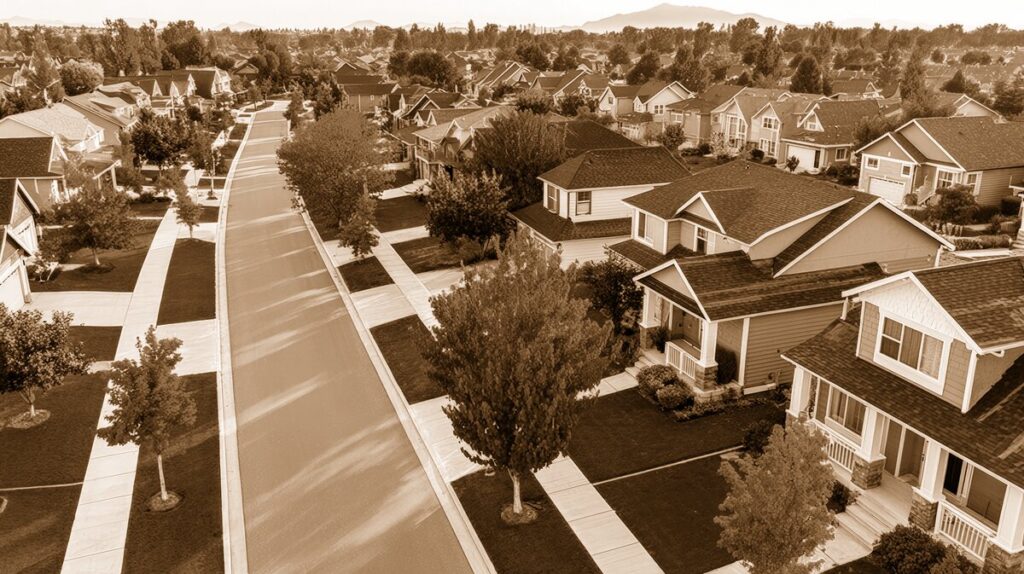
Nestled on the northwest side of Chicago, the Edgebrook neighborhood offers a unique blend of city convenience and small-town charm. With its tree-lined streets, tranquil parks, and deeply rooted community spirit, Edgebrook has captivated generations of Chicagoans. Its history is a tapestry woven from native heritage, railroad expansion, and suburban dreams—making it one of Chicago’s most distinctive and beloved enclaves.
From Wildwoods to Suburbia: The Origins of Edgebrook
Long before the first houses appeared along Devon or Central Avenues, this area was the domain of the Potawatomi people. The woods and prairies that make up present-day Edgebrook were rich with wildlife and dotted with Native American trails. As the 19th century progressed, European settlers began to arrive, drawn by the promise of fertile land and access to the North Branch of the Chicago River.
The neighborhood’s name, “Edgebrook,” reflects its very geography—a “brook at the edge.” It is bordered by the Forest Preserves of Cook County to the north and east, providing a natural boundary that continues to give the area a serene, almost secluded atmosphere. This proximity to lush greenery is one of Edgebrook’s most defining characteristics and a source of pride for its residents.
Railroads, Roads, and a Growing Community
The true shaping of Edgebrook began with the arrival of the railroad. In 1854, the Chicago, Milwaukee & St. Paul Railroad extended its service through the area. A small depot—later known as the Edgebrook Metra Station—was built at what is now the intersection of Kinzua Avenue and Lehigh Avenue. The accessibility provided by the train set the stage for Edgebrook’s transformation from wild woodland to comfortable suburb.
By the early 20th century, real estate developers saw Edgebrook’s potential. Subdivisions rose rapidly in the 1910s and 1920s, with street names like Hiawatha, Louise, and Indian Road reflecting both the area’s Native American heritage and the romance of the wild frontier. The Edgebrook Civic Association, founded in 1919, played an essential role in shaping community life, helping to foster a close-knit environment with a keen focus on preservation and neighborhood advocacy.
Landmarks and Local Treasures
Edgebrook is dotted with landmarks that serve as touchstones of its heritage:
- Edgebrook Metra Station: Still in operation today, this picturesque station has welcomed commuters since the 19th century. Its presence makes Edgebrook one of the most accessible neighborhoods for downtown workers seeking a leafy retreat.
- Edgebrook Elementary School: Founded in 1933 at 6525 North Hiawatha Avenue, this institution has been the heart of the neighborhood for almost a century. The school’s brick façade and enduring traditions offer continuity for generations of Edgebrook families.
- St. Mary of the Woods Church: Established in 1953 at 7033 North Moselle Avenue, St. Mary’s stands as a testament to Edgebrook’s strong sense of faith and community. Its modern architecture and active parish life anchor the neighborhood spiritually and socially.
- Billy Caldwell Reservation: This forest preserve, adjacent to Central Avenue, is named after the legendary Potawatomi chief known as Sauganash. Winding trails, picnic groves, and scenic views make it a beloved local destination—perfect for hiking, birdwatching, or family gatherings.
- Edgebrook Golf Course: Opened in 1940, this public course brings together golfers of all ages for a round amid towering oaks and gentle streams. The course has stood the test of time, providing recreational green space and spectacular woodland views.
Streets and Stones: Architectural Character
Edgebrook’s streets are a walk through history: from the original bungalows and Tudor Revival homes lining Louise, Hiawatha, and Tahoma Avenues to the handsome mid-century ranches that appeared during the postwar expansion. The neighborhood’s residential charm is due in part to a century-long commitment to preserving green space and architectural integrity, with zoning and civic groups keeping multifamily development to a minimum.
A drive or stroll down Lehigh Avenue takes you past classic homes, manicured lawns, and the charming Edgebrook Triangle, a small shopping and dining district that still feels like a town square. Old landmarks—like the Edgebrook branch of the Chicago Public Library—blend seamlessly with newer businesses, reflecting the neighborhood’s ability to honor its roots while embracing quiet progress.
Evolution Through the Decades
Edgebrook has seen its share of change, but its core identity remains unshaken. In the prosperous decades after World War II, families flocked to Edgebrook for its excellent schools, large yards, and easy access to the city. The Eisenhower-era highway boom made trips downtown even swifter, but Edgebrook managed to preserve its peaceful character amid Chicago’s relentless urban growth.
Today, Edgebrook is home to a vibrant mix of lifelong residents and newcomers. Community events—like the Edgebrook Farmers Market, annual garden walks, and the summer sidewalk sale—reinforce a strong sense of belonging and neighborly pride. The neighborhood continues to be a haven for families and anyone seeking a slower pace without leaving the city behind.
The Enduring Spirit of Edgebrook
For all its modern comforts, what makes Edgebrook truly special is its sense of continuity. Children still walk to Edgebrook School along tree-shaded sidewalks. Neighbors greet each other at Happy Foods, the family-run grocer that has served the community for generations. In the nearby forest preserves, the call of songbirds and the rustle of ancient oaks remind all who live here of the land’s deep heritage.
Edgebrook stands as a living memory—a place where the pulse of urban life slows just enough to let nature, history, and community thrive together. Whether you’re a seasoned Chicagoan or a visitor discovering the city’s hidden corners, Edgebrook offers a warm welcome and a timeless invitation to enjoy life at the edge of the city, nestled by the brook.